United Launch Alliance
Centaur V Structures
Design Engineering
Structures Design Engineering Intern
Summer 2026
United Launch Alliance
Structures Design Engineering Intern
Summer 2026
01
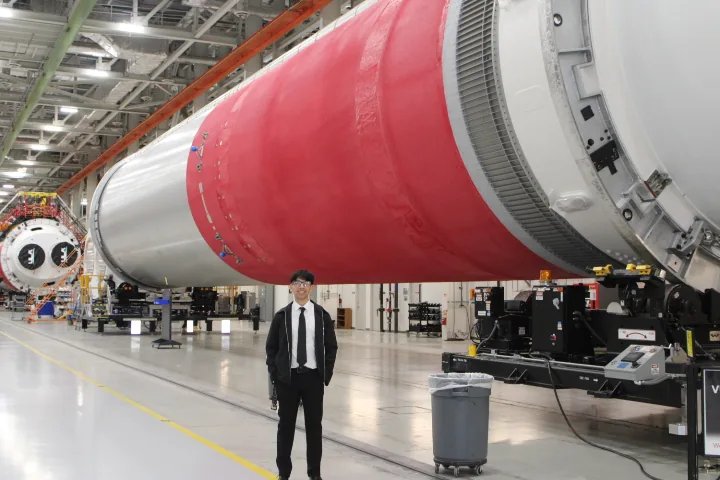
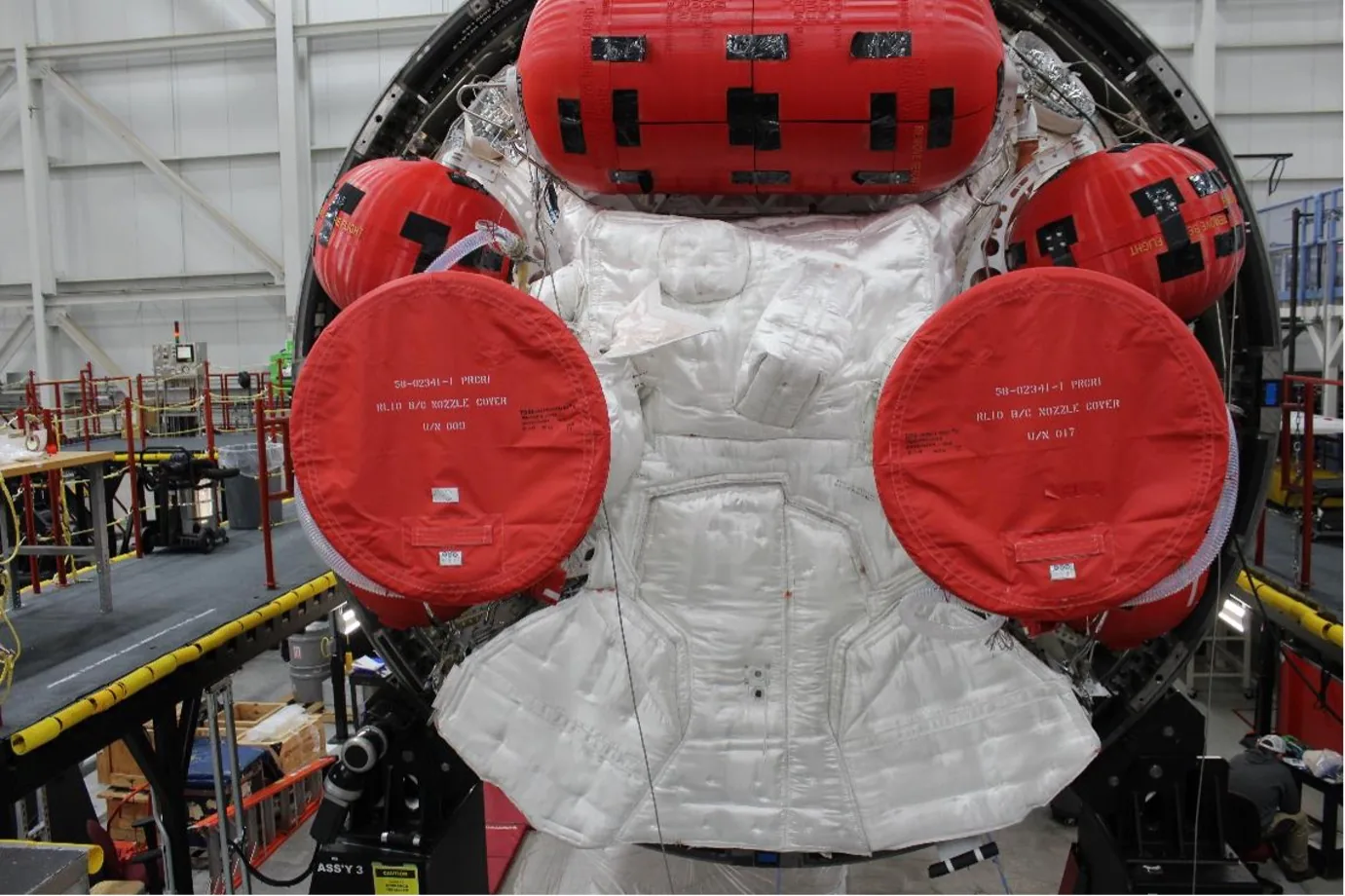
As a Centaur V Structures Design Engineering Intern at United Launch Alliance, I supported the design and release of flight hardware for the Vulcan launch vehicle.
My work involved mechanical design, engineering drawings, fastener selection, GD&T, configuration management, and collaboration with manufacturing and other engineering teams.
The experience gave me the opportunity to follow engineering changes from design and analysis through review, release, and implementation on flight hardware.
02
During my internship, I designed and released a flight-hardware bracket supporting a sequencing system used for specific Centaur V mission configurations.
The challenge was designing a component that could integrate with existing vehicle hardware while accounting for surrounding interfaces, fastener selection, grip lengths, and installation constraints.
Using Siemens NX, I developed the bracket geometry and applied GD&T and product manufacturing information to define manufacturing requirements. I also worked with other engineering teams to support design verification and carried the component through the engineering review and release process.
This project taught me to think beyond the CAD model. Designing flight hardware requires considering how a component interacts with the surrounding vehicle, how it will be installed, and whether it can be manufactured and assembled efficiently. A successful design needs to work both on the screen and on the actual vehicle.
03
Designing flight hardware involved more than developing a CAD model. I worked through the engineering process from understanding requirements and vehicle interfaces to design verification, multidisciplinary review, and final engineering release.
Evaluated design requirements, surrounding vehicle hardware, and installation constraints to establish the component's design boundaries.
Selected fastening hardware and performed grip-length calculations while considering joint configuration and installation access.
Developed the component's 3D geometry in Siemens NX, accounting for mechanical interfaces and assembly requirements.
Applied geometric tolerances and product manufacturing information to communicate manufacturing and inspection requirements.
Coordinated with the structures analysis team to support verification of the design against engineering requirements.
Presented the design to a multidisciplinary review board, addressed technical feedback, and supported approval of the engineering change.
Released the approved design and associated documentation through Teamcenter for manufacturing and vehicle integration.
04
In addition to flight hardware design, I supported manufacturing and engineering improvement efforts. These experiences strengthened my understanding of how design decisions affect hardware production, assembly, and long-term manufacturability.
Applied Siemens NX surfacing tools to modify complex three-dimensional models in support of hardware integration and manufacturability.
Gained experience working with complex geometry and considering how CAD models translate into physical hardware.
Supported mechanical hardware redesign efforts focused on improving manufacturing efficiency and simplifying production processes.
Developed a better understanding of how manufacturing methods influence component design and engineering decisions.
Collaborated with manufacturing and engineering personnel to investigate production challenges and support improvements to engineering documentation.
Learned how effective communication between design and manufacturing teams helps improve consistency and reduce unnecessary rework.
Developed engineering drawing revisions and supported formal engineering change reviews as part of the hardware design and manufacturing process.
Gained experience communicating technical changes, incorporating engineering feedback, and maintaining accurate design documentation.
05
My internship at United Launch Alliance changed how I approach mechanical design. Working alongside engineers and manufacturing teams helped me understand what it takes to turn a design into flight hardware.
A successful design is more than a completed 3D model. I learned to consider surrounding interfaces, assembly requirements, manufacturability, and how hardware will be used in the real world.
Working with manufacturing personnel showed me the importance of understanding the challenges encountered on the production floor. Their feedback helped me approach engineering problems with a more practical perspective.
I gained experience communicating engineering decisions, responding to technical feedback, and carrying design changes through formal review and release processes. I learned that engineering ownership extends beyond completing the initial design.